
Byline: Published by HomeTouch Hardware | Date: June 9, 2026
Table of Contents
- 1. Architectural Status Shift: Warm Metals and Oversized Hardware Lead 2026 Luxury Home Design
- 2. European Design Trends: "Modern Meets Vintage" and Traditional Elements Dominate Summer Shows
- 3. Textural Layering and Structural Upgrades Outpace Minimalism in 2026 Renovation Market
- 4. Kitchen Hardware Evolution: Tactile Surfaces and Knurled Textures Define Custom Cabinetry
- 5. Smart Home Integration and Embedded Functionality Drive Functional Hardware Retail
1. Architectural Status Shift: Warm Metals and Oversized Hardware Lead 2026 Luxury Home Design
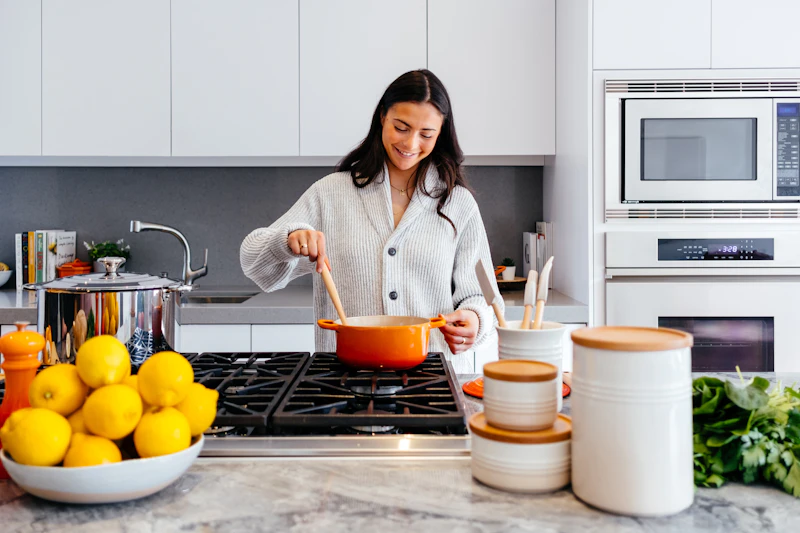
Market data from North American and European luxury residential sectors confirms that warm metals have transitioned from temporary accent choices to foundational architectural finishes. Brushed brass, champagne bronze, unlacquered living brass, and antique brass now dictate the primary material language of high-end custom homes rather than acting as isolated contrast points. Designers report that brushed brass serves as the most versatile option across modern and Scandinavian-influenced styles due to its non-reflective surface. Concurrently, product scales are increasing significantly. Oversized solid-metal entry pulls, long linear bar handles, and elongated cabinet pulls are being deployed as structural focal points rather than hidden functional components. Visible, exposed brass or bronze hinges are also returning as intentional architectural statements.
2. European Design Trends: "Modern Meets Vintage" and Traditional Elements Dominate Summer Shows
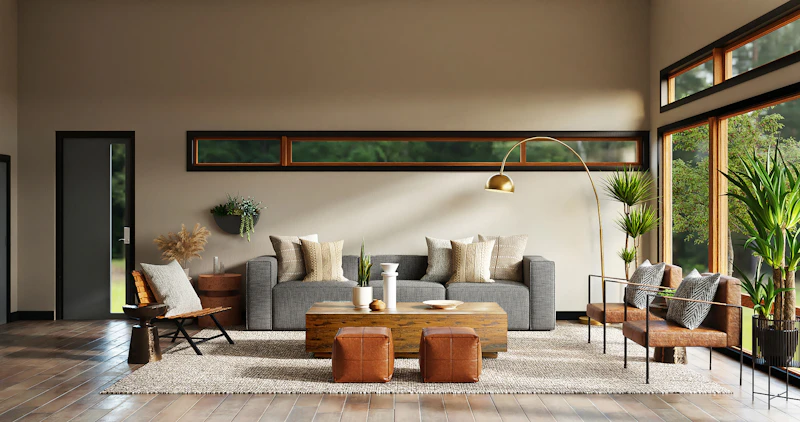
Reports from major interior and furniture design exhibitions across Paris, Frankfurt, and broader Europe highlight a definitive industry shift toward "Modern Heritage" and eclectic curation, moving entirely away from uniform minimalism. The prevailing European aesthetic relies on a "collage" room concept that rejects matching furniture sets in favor of combining disparate historical eras and contemporary forms. Key physical design markers include traditional millwork, historic patterns, and vintage-inspired silhouettes paired with clean, modern structural geometries. Heavily textured fabrics such as brocades and florals are being mixed with bold, colorful vintage glass accessories. This structural juxtaposition allows classic door and cabinetry profiles to be updated using modern hardware finishes, establishing a design framework that prioritizes depth and material history over sterile uniformity.
3. Textural Layering and Structural Upgrades Outpace Minimalism in 2026 Renovation Market

Renovation data compiled by consumer platforms including Thumbtack and Taskrabbit indicates a surge in micro-structural upgrades and advanced material layering. Homeowners are actively replacing standard minimalist fixtures with oversized statement hardware to upgrade spaces without executing complete room overhauls. Wall and border treatments—specifically baseboards, crown molding, accent walls, and custom wallpaper installation—have experienced a sharp upward trajectory as consumers seek to unify pass-through zones. In terms of surfaces, the market has moved from single-texture applications to multi-layered organic combinations, embedding stone, natural wood, plaster, and limewash within identical visual planes. Secondary spaces like mudrooms, utilities, and walk-in closets are also seeing functional re-engineering via custom floating shelving and integrated storage organizers.
4. Kitchen Hardware Evolution: Tactile Surfaces and Knurled Textures Define Custom Cabinetry
Kitchen manufacturing data highlights a significant rise in tactile cabinet hardware specifications. Knurled grips, fluted surfaces, hammered finishes, and softly faceted edges have become industry standards for adding visual weight to simple cabinet faces, such as Shaker-style panels. While matte black continues to serve as a high-contrast choice for outlines, it is increasingly paired directly with warm metals to temper harsh lines. Satin nickel remains steady in traditional and transitional segments for projects requiring low-sheen, neutral metallic applications. Copper and bronze are capturing market share in premium kitchen sectors due to their ability to complement light green, cream, and unpainted timber cabinet fronts. Designers are utilizing these variations to formulate custom-look kitchens through highly selective, non-uniform placement of knobs and long bar pulls.
5. Smart Home Integration and Embedded Functionality Drive Functional Hardware Retail
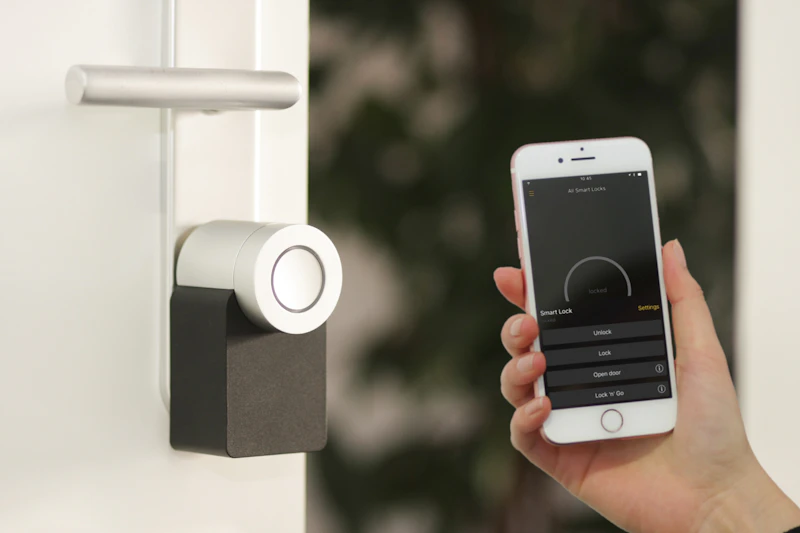
Hardware retail channels report that interior innovation is shifting toward hidden smart home technologies and multifunctional architectural components. Consumer demand is focused on consolidated, quiet, and low-profile systems rather than multiple discrete smart devices. Manufacturers are responding by embedding advanced utilities directly into standard architectural components. Key product expansions include window blinds integrated with native automated control mechanics, single unified HVAC and air quality tracking monitors, and fast-charging USB-A/USB-C modules built directly into pop-up countertop systems and decorative wall plates. Additionally, flexible component configurations and bold color identity variations are rising in daily-use fixtures, signaling that utility-focused hardware must now meet strict aesthetic criteria to fit cohesive residential interior parameters.
Sources
- Archant - Hardware Trends for 2026: Material, Scale, and Finishes
- MLD Luxury Home Insights - The Details That Define a Luxury Home in 2026
- The Hardware Connection - 12 Hot 2026 Home Improvement Trends for Hardware Stores
- Veranda - The 10 Biggest Home Renovation Trends of 2026, According to Experts
- Woodgrain - Top 10 Interior Trends of 2026: The Rise of Modern Heritage
- Bontempi Casa - 2026 Interior Design Trends: Materials, Colors, and Shapes
- Furniture Row - European Style: 2026 Design Trends in Paris, Frankfurt, and Beyond
- Kitchen Cabinet Kings - Kitchen Hardware Trends for 2026 That Designers Are Actually Using
- Niehaus Lumber - Cabinet Hardware Trends 2026 & Beyond: Elevate Your Kitchen Design
- Sweeten Renovations - 5 Cabinet Hardware Ideas for a Custom-Look Kitchen in 2026